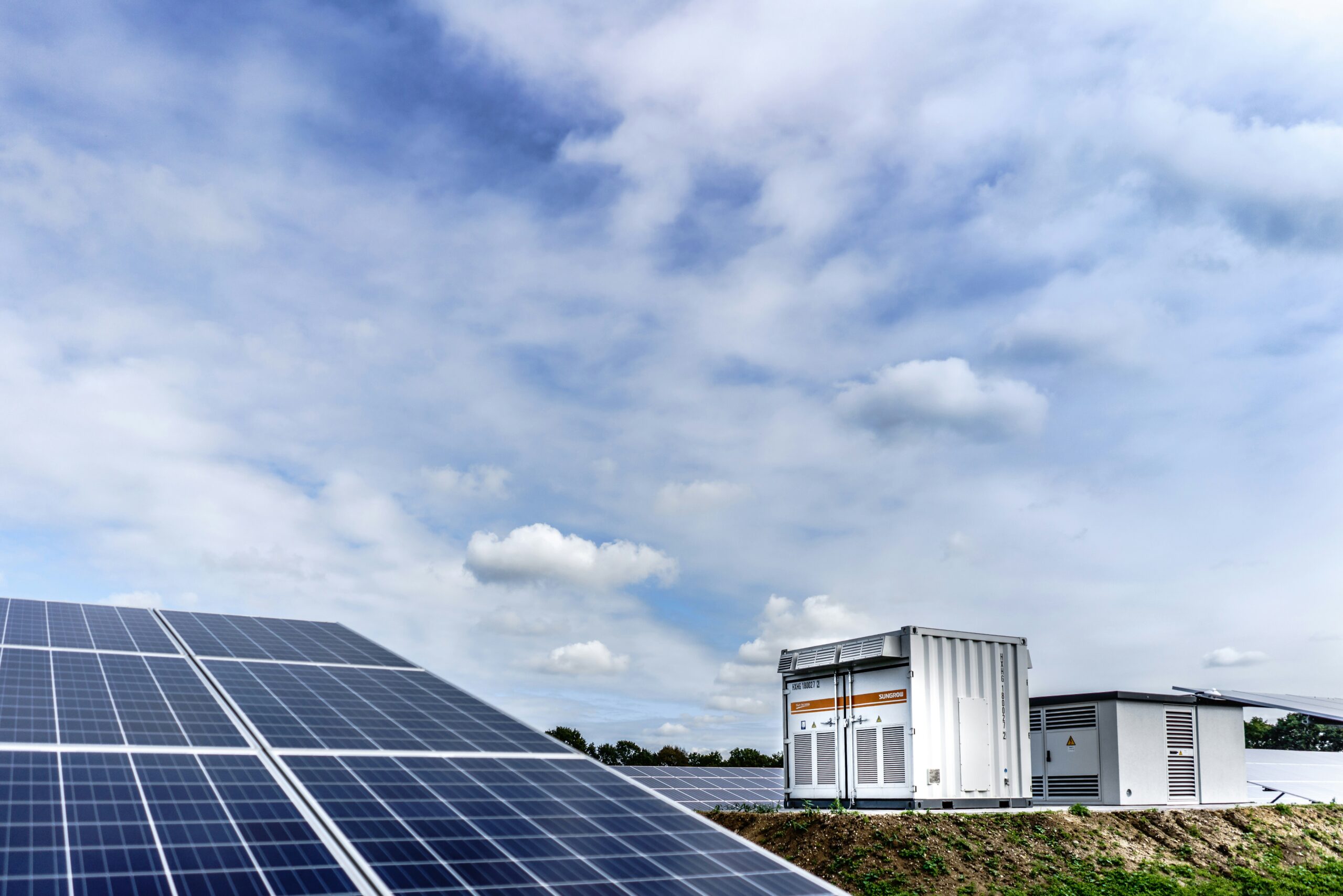
South Africa’s energy landscape is at a crossroads. As South Africa’s grid transitions towards a diverse energy mix, with renewable energy resources rapidly expanding, one question looms large: how do we ensure our electricity supply is both reliable and sustainable?
Battery Energy Storage Systems (BESS) are set to play a key role in the energy transition and are no longer just a load-shedding solution. BESS technology is reshaping how energy is dispatched, stored, and consumed. SOLINK’s Senior Project Engineer, Kelly Rushmere, shares her insights on their growing role in the energy landscape.
What Exactly Are Battery Energy Storage Systems?
BESS is essentially a giant rechargeable battery, similar to the one in your smartphone, but on a scale that can power neighborhoods, shopping centers, or even stabilize the national grid. These systems store electricity when it’s cheap or plentiful (like during midday solar generation) and release it when demand surges or supply drops.
Kelly describes it simply:
“Battery storage smooths out variable renewable generation, making sources like solar and wind more reliable by discharging power when it is most needed.”
This ability to time-shift energy is what makes BESS the backbone of a renewable-powered future.
The Core Uses of BESS
BESS can be broken down into three major categories:
- Resilience – Acting as a safety net during outages, keeping the lights on in hospitals, data centers, and critical infrastructure when the grid fails. In a country facing load shedding, this alone makes BESS invaluable.
- Renewable Integration – Solar and wind are abundant but variable. Batteries capture the surplus energy when the sun is shining or the wind is blowing, and make it available when demand peaks.
- Grid Support – Modern grids (with a diverse power mix) need balance. BESS provides fast response services like voltage control, frequency regulation, and stabilizing weaker areas of the grid, functions that make renewable-heavy grids possible.

Real-World Applications in South Africa
BESS is no longer just a theory; it’s already transforming the way South Africans consume and manage electricity:
- Eskom’s BESS Rollout: Eskom has begun procuring large-scale storage projects from independent power producers to help stabilize the national grid and integrate renewable energy. The programme aims to address the country’s energy crisis by storing energy from sources like solar and wind and releasing it when needed.
- Commercial and Industrial Savings: A local shopping center installed a battery system that reduced its maximum demand, unlocking access to cheaper tariffs. The outcome? Significant cost savings and a reduced carbon footprint. For businesses, BESS isn’t just about energy security, it’s about competitive advantage.
These stories highlight how BESS is both a grid stabilizer and a cost-saving solution.
Types of BESS Operations
Many people think of batteries as backup power, but their role is far more dynamic. BESS can provide significant cost savings through different operations:
- Peak Shaving – Trimming down electricity spikes that inflate bills.
- Load Shifting / Energy Arbitrage – Charging during off-peak hours when electricity is cheap, and discharging during peak demand when it’s most expensive.
- Renewable Integration – Charging from excess cheap solar or wind and discharging during the nighttime or when loads peak.
- Frequency Regulation – Correcting tiny imbalances in the grid instantly to keep it operating at 50 Hz, a function critical for avoiding blackouts.
These applications turn batteries into active participants in the energy market, not just silent backups.
Challenges on BESS Integration
Of course, the path forward isn’t without obstacles. These are a few critical hurdles of BESS:
- High Capital Costs – The upfront investment is significant, even if long-term savings are clear.
- Integration Complexities – From financing and regulatory approvals to technical compatibility with existing infrastructure, rolling out storage requires collaboration across multiple stakeholders. Grid allocation from Eskom is a key development item and can cause setbacks, significantly affecting project timelines.
- Battery Degradation and Safety – Just like a phone battery loses capacity over time, large-scale systems also wear down, requiring careful management and replacement planning. While fire and safety technology have improved significantly, these risks need to be mitigated and managed carefully.
Despite these hurdles, the industry is innovating with new financing models, supportive policies, and improved battery chemistries that promise longer lifespans.
The Future of BESS in South Africa
So what’s next? Kelly believes we’re only scratching the surface of what batteries can do. The future will see BESS:
- Embedded in the Grid – Not as emergency backups, but as integral assets for municipalities and utilities to stabilize supply and grid frequency.
- Driving Business Efficiency – Giving commercial and industrial users new ways to cut costs and hedge against volatile tariffs.
- Powering Electric Mobility – As electric vehicles (EVs) take off, batteries will be critical to charging infrastructure and grid balancing.
- Fueling the Energy Market – With a wholesale electricity market on the horizon, BESS could buy electricity when supply is high (and cheap) and sell it back during demand peaks, creating new revenue streams.
Battery Energy Storage Systems are no longer a convenience. They’re fast becoming a key role player in South Africa’s energy future. From stabilizing weak grids to helping businesses slash costs, BESS is proving that it can deliver both resilience and opportunity.
The road ahead requires investment, innovation, and collaboration. But with solutions like BESS, South Africa has a clear path toward a reliable, affordable, and sustainable energy future.