
Solar Glint & Glare Assessments South Africa
CAA-Compliant Reports
If your solar project is situated near an airport, helipad, or active aviation corridor, a glint and glare assessment is not optional — it is a mandatory CAA compliance requirement in South Africa. SOLINK has completed over 100 certified assessments, with a proven methodology accepted by the South African Civil Aviation Authority.
What Is a Glint & Glare Assessment?
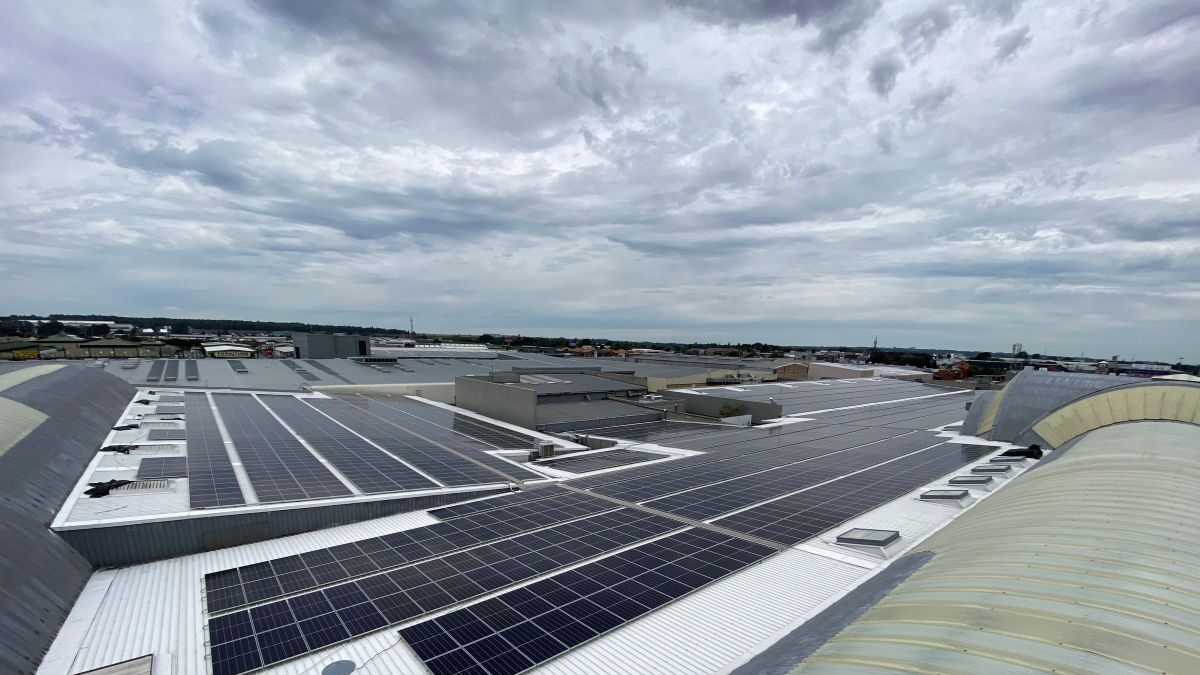
A glint and glare assessment analyses the potential reflective impact of a solar PV installation on pilots, air traffic control, and nearby aviation operations. The assessment models sun angles, panel orientation, and reflection trajectories to determine whether the installation poses a risk — and if so, what mitigation measures are required to secure regulatory approval.

When Is It Required?
A glint and glare assessment is required when a solar project is located within or near the operational area of any South African airport, helipad, or aviation navigation facility. SOLINK advises on the applicability of this requirement early in the project development process — before design is finalised — to avoid costly rework.
We have completed over 100 glint and glare assessments across South Africa in the past two years, with all reports prepared to CAA submission standards.
Site & Installation Modelling
We model the proposed solar installation — panel tilt, azimuth, and array layout — against sun angle data and the locations of nearby aviation operations to determine glare zones and affected sightlines.
Impact Analysis & Reporting
We produce a comprehensive glint and glare report detailing the assessment methodology, findings, and — where required — recommended mitigation measures. All reports are prepared to the standard required for CAA submission.
Regulatory Submission Support
Where mitigation measures are required, we document the proposed interventions and support submission to the relevant aviation authority — keeping your project timeline on track.
Get a Quote
Glint and glare assessments are priced per project based on site complexity and proximity to aviation operations. Most assessments are completed within 10–15 business days of receiving the required project information.